Hophornbeam

rockm

Spuds Moyogi
Messages
16,368
Reaction score
27,655
Location
Fairfax Va.
USDA Zone
7
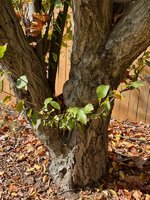
Often overlooked in favor of the Carolina Hornbeam, the hophornbeam (oystra virginiana) is sometimes superior in twigging and leaf reduction (and fall color--this one is orange and red). Not seen often enough as bonsai. Not as common as Carolina, though. This is a mature 30+ year old example planted in my community. The name comes from the seed catkins the tree makes in the spring and retains into the fall, They resemble the hop plant (which is used to make beer--that "hoppy" taste on some IPAs).
 

Attachments

  • hophornbeam.jpg
    hophornbeam.jpg
    291.5 KB · Views: 92
Think one has to have a real appreciation of nature and the landscape, to truly embrace native deciduous trees as bonsai. Everyone wants Japanese maples that look like Pines. Ryan neil seems to be the only big name pushing the native deciduous tree narrative, his appreciation of the landscape shows in all of his deciduous work. Not just where they grow, but how they grow.
 
More of the Hophornbeam. Bark and trunk character is different from Carpinus Caroliniana. The "hoppy" blossom/seed pods at the ends of branches are unlike Caroliniana as well.
 

Attachments

  • hoppytrunk2.jpg
    hoppytrunk2.jpg
    148.7 KB · Views: 65
  • hoppytrunk.jpg
    hoppytrunk.jpg
    155 KB · Views: 46
  • hopbloom.jpg
    hopbloom.jpg
    68.2 KB · Views: 64
Think one has to have a real appreciation of nature and the landscape, to truly embrace native deciduous trees as bonsai. Everyone wants Japanese maples that look like Pines. Ryan neil seems to be the only big name pushing the native deciduous tree narrative, his appreciation of the landscape shows in all of his deciduous work. Not just where they grow, but how they grow.
Not true. Ryan is only the latest in the U.S. to use that narrative. Vaughn Banting, Dan Robinson, Nick Lenz and more than a few others did it arguably better and with more varieties of species. Their legacies continue in thousands of other bonsaiists that don't have a web store😁. Vaughn Banting pioneered using the native bald cypress in its unique flat top silhouette (familiar to any number of Southerners, but alien to anyone not from the Southern and South Eastern U.S.) He did it in the 1970's. Any number of Vaughn's legacy trees have influenced literally hundreds of others since then. Dan Robinson is still pushing a uniquely PNW vision of bonsai. Nick Lenz, although renowned for his quirky approach, knew how to create technically difficult "native looking" Northeastern images of apples, pines etc.

And FWIW, Ryan doesn't really "get" Bald cypress or most eastern forest trees, or Southern trees like cedar elm, live oak, etc.. All of those species that he's worked are almost all older collected trees from established Southern artists that have mostly already set the style.
 
Last edited:
Back
Top Bottom